Source Waterproof Polypropylene Cargo Cover for Transport, Storage, and Protection
Compare 30 listings for waterproof polypropylene cargo cover options tailored for transportation, storage, and protection needs. Buyers can evaluate material properties, dimensions, and customization features to find the right solution for their specific requirements; compare the available evidence and request quotations based on your requirements.
Key considerations
Products List



Comprehensive Sourcing Guide
Waterproof Polypropylene Cargo Cover Sourcing Guide
Procuring waterproof polypropylene cargo covers requires distinguishing between rigid pipe applications and flexible textile solutions, as the market data presents distinct product categories. While some listings highlight polypropylene pipes with specific tensile strengths and flame retardancy, the core keyword implies a flexible protective sleeve or tarpaulin for logistics. Buyers must verify that the material composition matches the intended use, ensuring the product is a fabric form rather than a rigid thermoplastic pipe, as the application for protecting hydraulic hoses differs significantly from covering cargo.
The observed market signals indicate a wide variance in material types, including polyester and PE, alongside the requested polypropylene. Sourcing strategies should focus on suppliers who explicitly list "Waterproof" and "Polypropylene" or "PP Polypropylene" as primary attributes for the specific textile application. It is critical to confirm that the "High Quality PP Raw Material" claim applies to the fabric structure intended for cargo protection, rather than a different product line like ridge tent poles or hydraulic hose sleeves, to avoid procurement errors based on ambiguous listing titles.
Product Scope and Observed Listing Signals
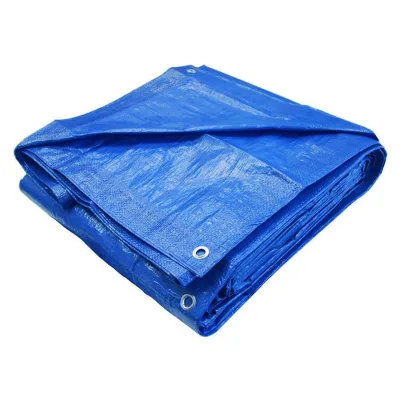
The product scope for waterproof polypropylene cargo covers encompasses flexible textile forms designed for transportation and outdoor protection, distinct from rigid piping systems. Listings often describe these items with attributes like "Fabric Form," "Waterproof," and "TPU Laminated" structures, which are essential for weather resistance. Buyers should look for specifications indicating a "Plain" pattern and specific gram weights, such as the observed ranges of 90-140 GSM or 50-400 GSM, to ensure the fabric density meets the durability requirements for heavy cargo transport.
Observed listing signals reveal significant diversity in dimensions and customization options, with widths ranging from 2 meters up to 20 meters and lengths specified as 1-20 meters or 2-20 meters. The market data also notes "Customized" color and size options, alongside specific models like 889 or 258, suggesting that standard sizes may not suffice for all logistical needs. Procurement teams must carefully cross-reference these variable specifications with their actual cargo dimensions, ensuring the selected product offers the necessary "Double Skin" or reinforced structure for long-haul transportation.
Technical Specifications to Verify
Technical verification must prioritize the material's tensile strength and contraction percentage to ensure the cover withstands dynamic loads during transit. While specific pipe data lists tensile strengths between 81 and 130 MPa, textile covers require confirmation of fabric tear strength and elongation properties that prevent failure under tension. Buyers should request test reports confirming that the polypropylene material maintains structural integrity at operating temperatures up to 120°C, as high ambient heat can degrade standard polymers and compromise the waterproof seal.
Dimensional tolerance and surface finish are equally critical for a secure fit on cargo. The observed data mentions tolerances of ID 0.5mm and Wall 0.25mm for pipes, but for flexible covers, buyers must verify width and length tolerances to ensure proper coverage without excessive slack. Surface characteristics such as "Cambered and Flat" finishes or "TPU Laminated" coatings should be confirmed to guarantee water absorption remains within the low range of 0.2% to 0.3%, preventing moisture ingress that could damage the cargo during sea or land transportation.
Compliance and Safety Documentation
Safety documentation for cargo covers must address flame retardancy and environmental resistance, as these are primary concerns in logistics and maritime transport. The market data explicitly mentions "High Grade Flame Retardant" properties for polypropylene products, a feature that should be mandatory for any cover used in industrial or transport environments. Procurement teams should demand certification or test results verifying that the material meets specific fire safety standards, ensuring the cover does not contribute to fire spread in the event of an accident.
Environmental compliance and material safety are also essential, particularly regarding the "High Quality PP Raw Material" used in production. Buyers should verify that the manufacturing process adheres to relevant environmental regulations, ensuring no harmful substances are leached from the fabric or coatings. While ISO 9001 is a common background standard, specific documentation regarding the chemical composition and recyclability of the polypropylene should be requested to align with corporate sustainability goals and international shipping regulations.
Cost Drivers and Commercial Terms
Cost drivers for waterproof polypropylene cargo covers are heavily influenced by the raw material quality, fabric weight, and the complexity of the lamination process. The observed gram weight ranges from 50 to 400 GSM, with heavier fabrics generally commanding higher prices due to increased material usage and enhanced durability. Additionally, the inclusion of features like "TPU Laminated" structures or "Double Skin" designs adds to the manufacturing cost, requiring buyers to balance performance needs against budget constraints when selecting a specific product model.
Commercial terms such as Minimum Order Quantity (MOQ) and payment structures vary significantly across the market, with observed MOQs ranging from 1 to 10,000 units. Buyers must negotiate these terms based on their volume requirements, as smaller orders may incur higher per-unit costs or require sample fees before bulk production. Shipping methods, including "Sea and Land Transportation," also impact the final landed cost, necessitating a clear understanding of Incoterms and logistics responsibilities to avoid unexpected expenses during the delivery phase.
Supplier Qualification and Quality Control
Supplier qualification should focus on verifying the origin and manufacturing capabilities, as the data indicates production hubs in Qingdao, Hebei, and Zhejiang. Buyers must confirm that the supplier has a proven track record in producing "Polypropylene" or "PE" textiles with consistent quality, rather than relying solely on generic listings. It is advisable to audit the supplier's facility to ensure they possess the necessary machinery for "Fabric Form" production and can consistently deliver the specified "Customized" dimensions and colors.
Quality control protocols must be rigorous, involving pre-shipment inspections to verify physical attributes like water absorption and tensile strength. Suppliers should provide samples for testing, as the market data confirms that "Provide Samples" is a standard offering. Buyers should establish clear acceptance criteria for defects, ensuring that the final product matches the agreed-upon specifications for width, length, and surface finish, thereby minimizing the risk of receiving substandard cargo covers that fail during transit.
Long-Term Procurement Checks
Long-term procurement checks should include periodic re-evaluation of supplier performance and product consistency over multiple order cycles. Buyers must monitor whether the "High Quality PP Raw Material" remains consistent in quality and whether the "Waterproof" performance holds up under repeated use and exposure to varying weather conditions. Establishing a feedback loop with the supplier allows for continuous improvement, ensuring that any deviations in material properties or dimensions are addressed promptly before they impact operations.
Sustainability and supply chain resilience are also critical for long-term success, requiring regular assessments of the supplier's ability to meet demand during market fluctuations. Buyers should verify that the supplier can maintain lead times and production capacity, especially given the observed wide range of MOQs and production locations. By maintaining a strategic relationship with qualified suppliers, organizations can secure a reliable supply of waterproof polypropylene cargo covers that meet evolving logistical and safety requirements.
FAQs
What material is used for the waterproof polypropylene cargo cover?
The cover is made from high-quality PP polypropylene raw material. This thermoplastic pipe material offers durability and resistance to environmental factors. It is suitable for protecting hydraulic hoses and oil tubes. The material ensures reliable performance in various industrial applications while maintaining structural integrity under stress.
Can the waterproof polypropylene cargo cover be customized?
Yes, customization is available for this product. Buyers can request specific colors and sizes to meet their unique requirements. The product supports tailored specifications for industrial use. This flexibility allows for precise fitting in diverse applications, ensuring optimal protection for sensitive components like hydraulic systems and oil tubes.
What is the tensile strength of the polypropylene cover?
The tensile strength ranges from 81 to 130 MPa. This robust mechanical property ensures the cover can withstand significant pulling forces without failure. It provides reliable protection for internal components during transportation and storage. The high strength contributes to the overall durability and longevity of the protective sleeve in demanding industrial environments.
How does the cover handle water absorption?
The water absorption rate is low, ranging from 0.2% to 0.3%. This minimal absorption prevents moisture ingress, protecting internal hydraulic hoses and oil tubes. The material maintains its structural properties even in humid conditions. This feature ensures long-term reliability and prevents degradation of the protective sleeve due to water exposure.
What flame retardant properties does the cover have?
The cover features high-grade flame retardant properties. This safety feature reduces the risk of fire propagation in industrial settings. It enhances the overall safety profile for protecting hydraulic hoses and oil tubes. The flame resistance ensures compliance with safety standards, providing peace of mind for users handling flammable materials or operating in high-risk environments.
What are the standard dimensions for the polypropylene cover?
Standard specifications include an outer diameter of 9.4mm and a model size of 10x13mm. The length is typically 10 meters or other custom lengths. Tolerances are precise, with an ID tolerance of 0.5mm and a wall tolerance of 0.25mm. These dimensions ensure a snug fit for various hydraulic and oil tube applications.
Where is the polypropylene cargo cover manufactured?
The product originates from Qingdao, a major industrial hub in China. This location supports efficient manufacturing and logistics for global distribution. Buyers can expect reliable supply chain management from this region. The origin ensures access to high-quality raw materials and established production processes for thermoplastic pipes and protective sleeves.